In the evolving landscape of global governance, the capacity of nations to effectively manage resources, implement policies, and engage with citizens is paramount. My recent two-week seminar in China on “Governance Capacity for African Countries” provided a unique opportunity to explore the challenges and opportunities facing African nations in enhancing their governance frameworks. This essay reflects on the insights gained during the seminar, focusing on key themes such as institutional capacity, citizen engagement, technological integration, and international collaboration.
Governance capacity refers to the ability of a government to effectively formulate and implement policies, maintain order, and provide services to its citizens. For African countries, this capacity is often challenged by historical factors, socioeconomic disparities, and political instability. The seminar emphasized that enhancing governance capacity is not merely about increasing bureaucratic efficiency; it also involves fostering trust between governments and citizens, ensuring accountability, and promoting inclusive participation in decision-making processes.
One of the primary discussions revolved around the importance of institutional frameworks in governance. Strong institutions are essential for the rule of law, transparency, and accountability. Many African nations struggle with weak institutions that are often plagued by corruption and inefficiency. The seminar highlighted successful case studies from China, for instance, China’s Industrialization and Sino-African Industrial Cooperation, showcasing how institutional reforms—such as improving public service delivery and enhancing administrative efficiency—can lead to significant improvements in governance capacity.
Effective governance hinges on the active participation of citizens. The seminar underscored that citizen engagement is crucial for fostering trust and ensuring that governmental actions reflect the needs and aspirations of the population. In many African countries, there is a disconnect between governments and citizens, often leading to apathy and disenfranchisement. The discussions emphasized the need for innovative mechanisms to involve citizens in governance processes, such as participatory budgeting, public consultations, and the use of technology to facilitate dialogue. Engaging youth and marginalized communities is particularly important, as they often represent the future of democratic governance in these nations.
In an era where technology plays a critical role in shaping societies, the seminar addressed the trans-formative potential of digital tools in enhancing governance capacity. Many African countries are beginning to leverage technology to improve service delivery, increase transparency, and enhance citizen engagement. E-governance initiatives, such as online platforms for accessing public services or reporting grievances, can bridge the gap between governments and citizens. However, the seminar also highlighted the challenges of digital divides, where unequal access to technology can exacerbate existing inequalities. Therefore, it is imperative to ensure that technological integration is inclusive and accessible to all segments of the population.
China’s rapid development over the past few decades provides a contrasting model of governance that can offer valuable lessons for African countries. The seminar included discussions on China’s governance strategies, particularly its focus on centralized planning and strong state capacity. While the Chinese model is not directly transferable, the key elements—such as long-term vision, infrastructural investment, and a focus on education— can provide inspiration.
To conclude: the Seminar on Governance Capacity for African Countries was so fruitful for African Countries because it will help to show the better way to follow in order to have a good Governance Capacity in African Countries. Through the Seminar Lectures and Field Visits, I learned a lot about how to achieve the sustainable development for our African Countries.
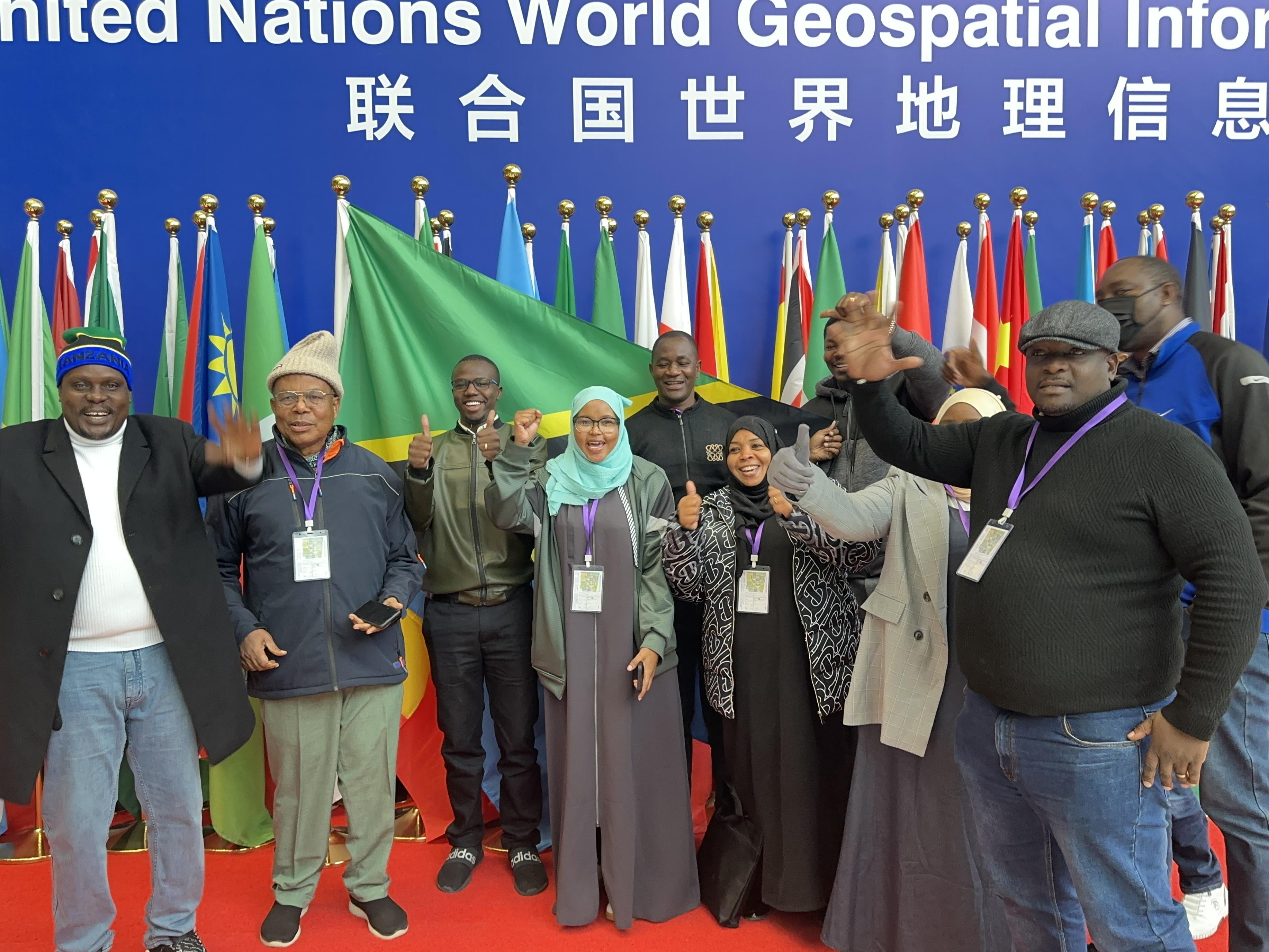
Mr. Optatus Julius LUSOLELA (the first from the left)


