Mr. Aung Min Thyke, Deputy Permanent Secretary of Myanmar’s Ministry of Commerce, took part with great interest in the Seminar on the Digitization of Trade Documents for Economic Cooperation in the Greater Mekong Subregion (GMS), organized by AIBO from September 16 to 29, 2025. During his stay, he enthusiastically joined the program on a series of visits across China—from digital trade platforms and live project cases to the 2025 Global Digital Trade Expo and local innovators in Hangzhou. In every session, he engaged actively and posed thoughtful, incisive questions.
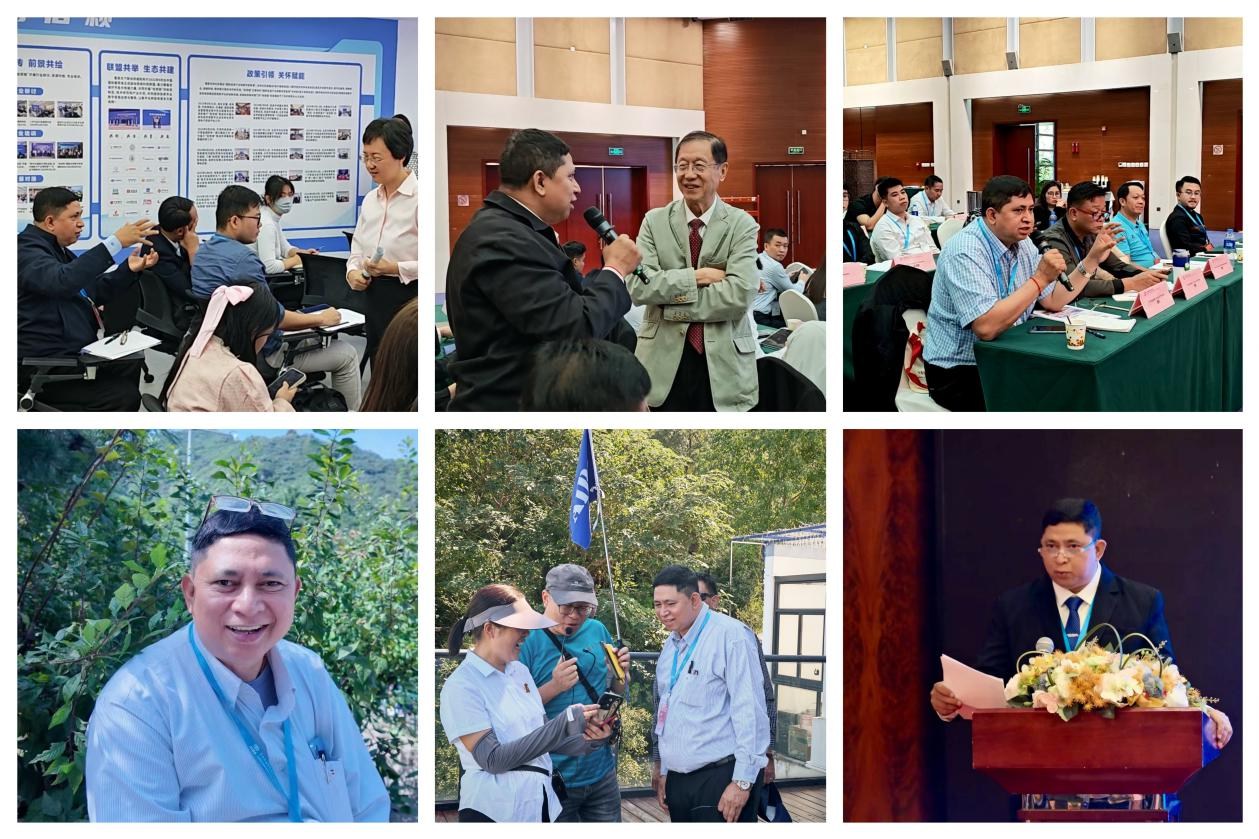
Deeply impressed by what he observed, he expressed genuine admiration for China’s strides in digital trade and felt truly moved by the warm spirit of friendship and exchange between our nations.
Inspired to share his reflections, he willingly set pen to paper, resulting in the following article, “My Opinion of China" in English:
My Opinion of China
My participation in the Seminar on the Digitalization of Trade Documents for Economic Cooperation in the Greater Mekong Subregion, held in China, provided me with valuable insights and a very positive impression of the country. The seminar was timely, well designed, and highly relevant, reflecting China’s strong commitment to regional cooperation and practical capacity building.
One of the most striking impressions of China is its steady and forward-looking progress in digital trade development. China has effectively applied digital technologies to trade facilitation, customs procedures, logistics, and public administration. These efforts have improved efficiency, reduced transaction costs, and enhanced transparency. China’s experience demonstrates how clear policy direction, innovation, and strong implementation capacity can work together to support modern trade systems. For countries in the Greater Mekong Subregion, these practices offer useful references that can be adapted to national contexts.
Beyond digital advancement, China’s development model shows a notable balance between modernization and cultural continuity. Through field visits to Beijing, Hangzhou, and Shanghai, participants were able to observe digital trade initiatives, rural revitalization efforts, and historic cultural landmarks. This harmonious integration of tradition and innovation reflects a development approach that values sustainability, inclusiveness, and a long-term vision.
The success of the seminar was supported by strong leadership and professional organization. I would like to express my sincere appreciation to Mr. Wu Wei, Director, for his guidance and commitment to delivering a high-quality program. Special thanks are also due to Ms. Liang Chengyu (Leah) and the organizing team for their excellent coordination, thoughtful arrangements, and warm hospitality throughout the seminar.
Equally important, the seminar strengthened mutual understanding and friendship among participants from Cambodia, Laos, Myanmar, Thailand, and Vietnam. The exchange of experiences and perspectives fostered trust and cooperation, reinforcing the importance of regional dialogue and partnership.
Based on my observations, I believe that China is steadily emerging as one of the most dynamic and influential contributors to regional and global development in the near and shared future. Its emphasis on innovation, openness, and cooperation positions China as a constructive partner in advancing digital transformation, trade connectivity, and shared prosperity.
In conclusion, my opinion of China is very positive. China’s achievements in digital trade, its respect for cultural heritage, and its constructive role in international cooperation leave a strong and favorable impression. I am confident that continued engagement with China will contribute meaningfully to regional development and long-term cooperation.


