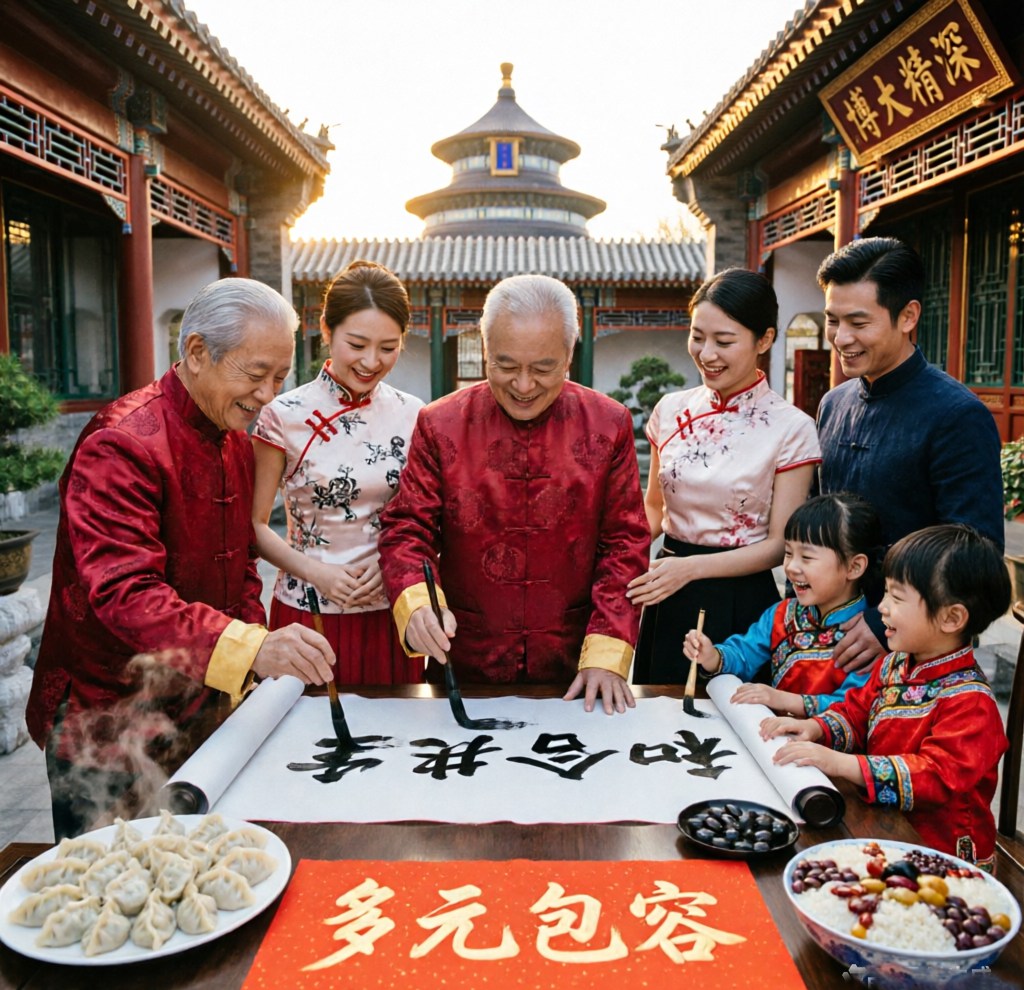
The People's Republic of China (PRC), located in East Asia on the west coast of the Pacific Ocean, is a nation that seamlessly blends the profound heritage of 5,000 years of civilization with the dynamism of rapid modern development.
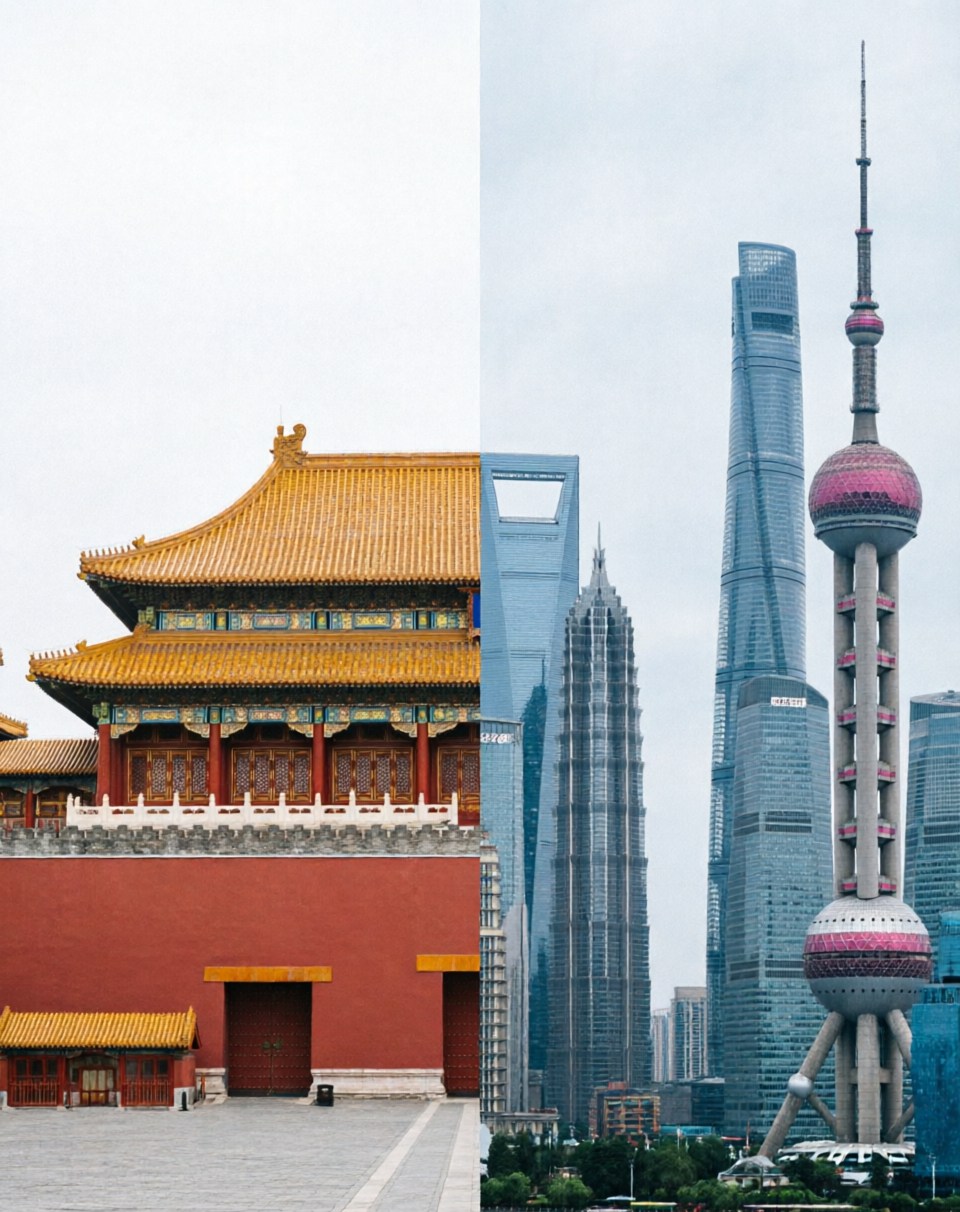
Geography and Territory: Vast Land, Diverse Landscapes
China boasts a land area of approximately 9.6 million square kilometers, ranking third in the world. Its territory is vast, stretching from the tropics in the south to the temperate zones in the north, and from coastal plains in the east to the Pamir Plateau in the west.
• Topography: The terrain is high in the west and low in the east, forming a three-step ladder-like distribution. The western region is dominated by the "Roof of the World," the Qinghai-Tibet Plateau, and the majestic Himalayas. The eastern part consists of fertile alluvial plains and hilly regions.
• Water Systems: The Yangtze and Yellow Rivers, known as the Mother Rivers of the Chinese nation, flow from west to east into the sea, nurturing civilization and economy along their banks.
• Administration: As a unified multi-ethnic state, China is home to 56 ethnic groups. Administratively, it is divided into 23 provinces, 5 autonomous regions, 4 municipalities, and 2 Special Administrative Regions (Hong Kong and Macao), with Beijing as its capital.
Historical Evolution: Timeless and Resilient
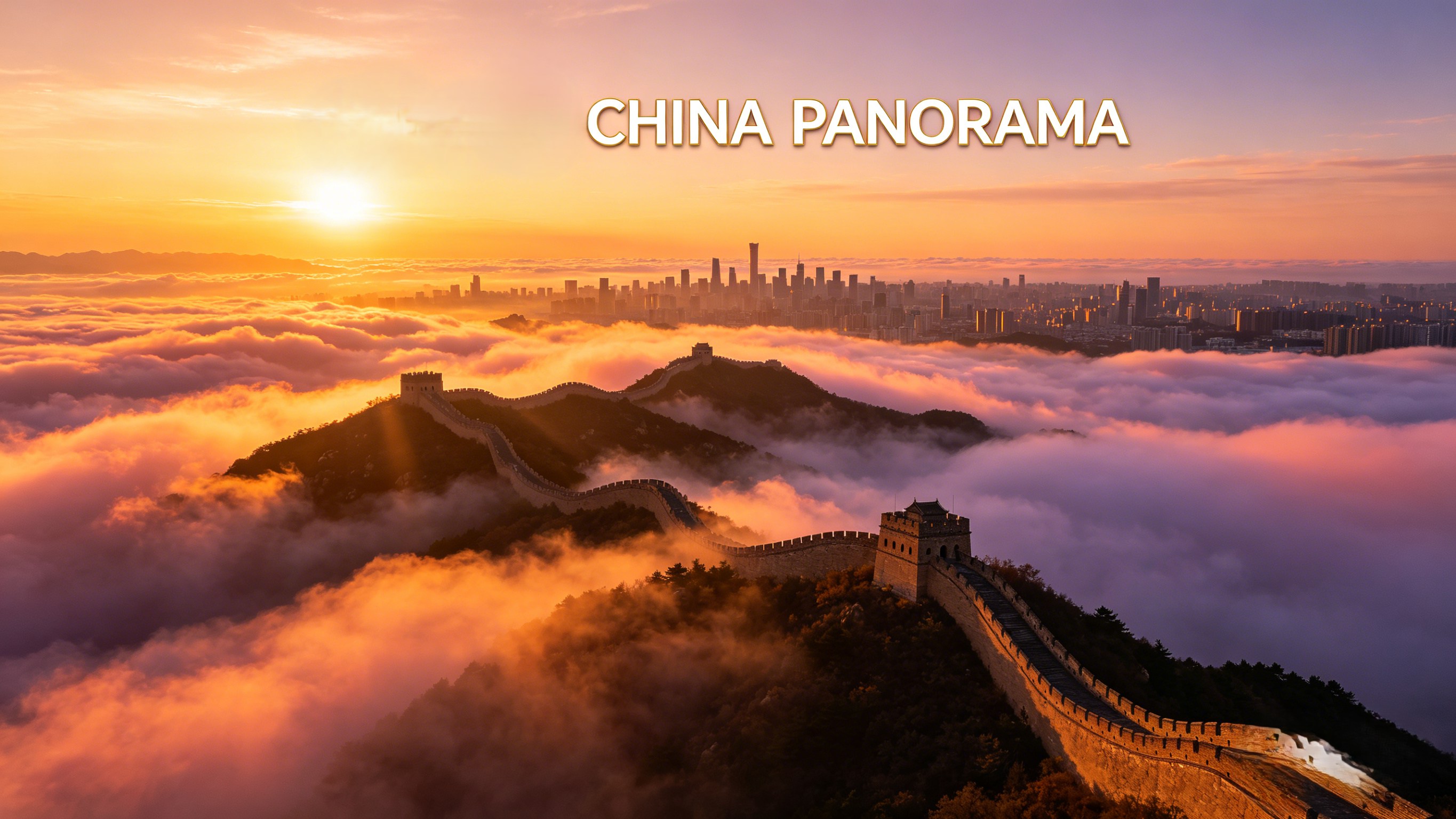
China stands as one of the world's oldest continuous civilizations.
• Ancient Civilization: From the Bronze Age of the Xia, Shang, and Zhou dynasties to the unified patterns established by the Qin and Han, and the prosperity of the Tang and Song, Chinese civilization has never been interrupted. The ancient Silk Road served as a vital bridge for exchange between Eastern and Western civilizations.
• Modern Transformation: The founding of the People's Republic of China in 1949 marked a new historical era. After decades of exploration and construction, particularly the rapid development following the Reform and Opening-up policy, China has transformed from a traditional agrarian society into a nation with a comprehensive industrial system.
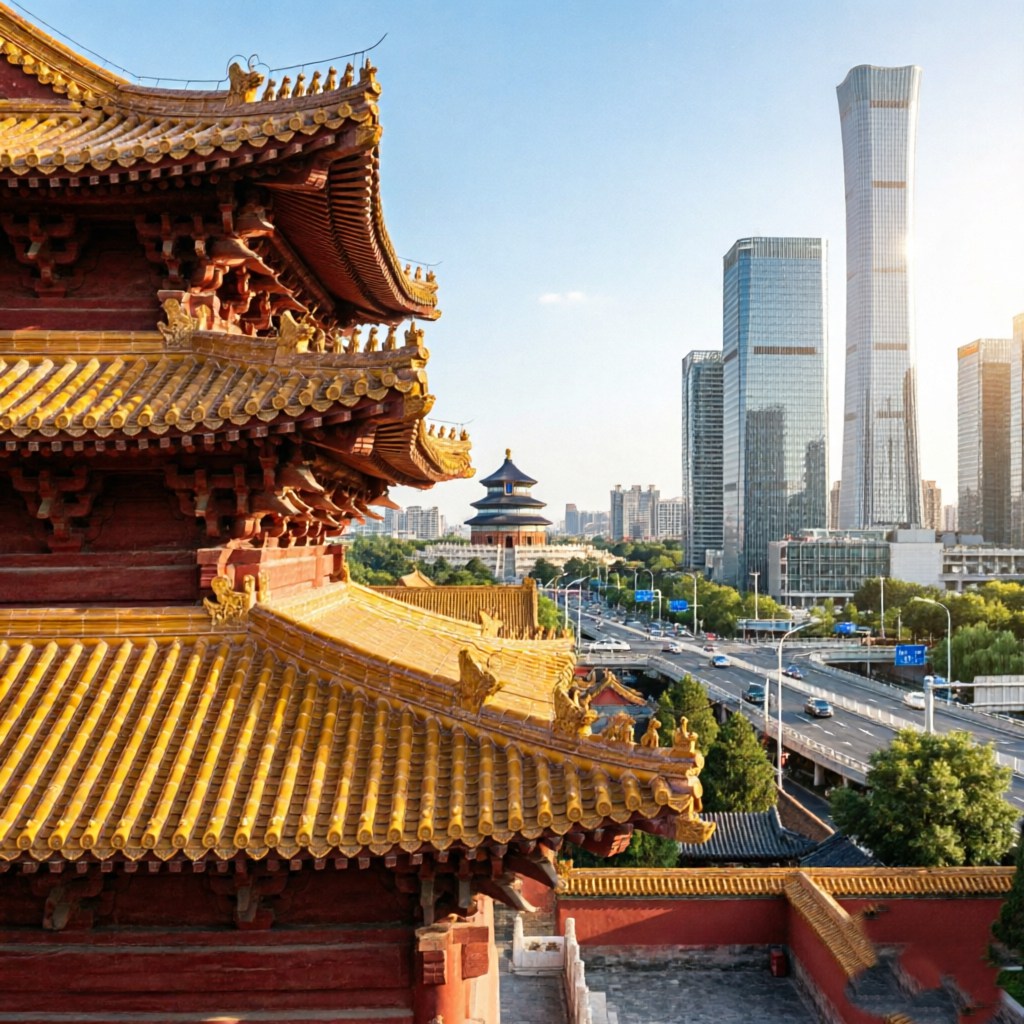
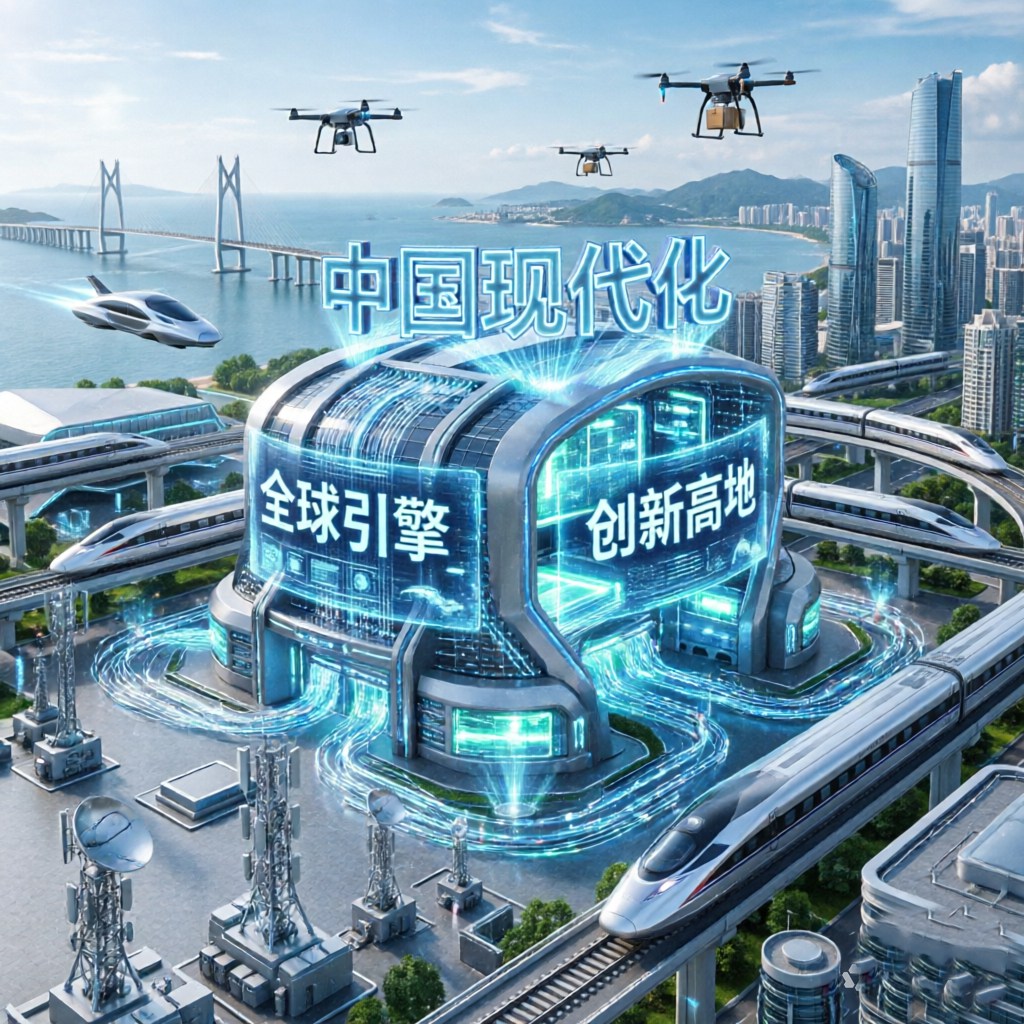
Economic Powerhouse: Global Engine and Innovation Hub
Today, China is the world's second-largest economy and a primary contributor to global economic growth.
• Industrial Strength: Possessing the world's most complete industrial system, China is known as the "World's Factory." Simultaneously, it leads globally in high-tech sectors such as new energy vehicles, 5G telecommunications, and artificial intelligence.
• Infrastructure: China's high-speed rail network operates the longest mileage in the world, serving as a calling card for "China Speed." Other indicators, such as port throughput and expressway mileage, also rank among the top globally.
• Market Potential: With a massive consumer market of over 1.4 billion people and a continuously expanding middle-income group, China offers tremendous opportunities for global trade.
Culture and Lifestyle: Inclusive and Vibrant
Chinese culture is extensive and profound, carrying both traditional weight and modern vitality.
• Language: Mandarin (Putonghua) and standardized Chinese characters are the official languages, carrying deep cultural significance.
• Festivals: Traditional festivals such as the Spring Festival, Qingming Festival, Dragon Boat Festival, and Mid-Autumn Festival are not only times for family reunions but also embody philosophical thoughts of harmony, nature, and benevolence.
• Cuisine: Chinese culinary arts emphasize "color, aroma, taste, meaning, and form." Eight major cuisines (including Sichuan, Cantonese, and Shandong etc.) have formed, each with distinct regional flavors that offer an endless aftertaste.