Seminar on Vocational Education and Employment Training for Mauritania
Salamata Dia
(Mauritania)
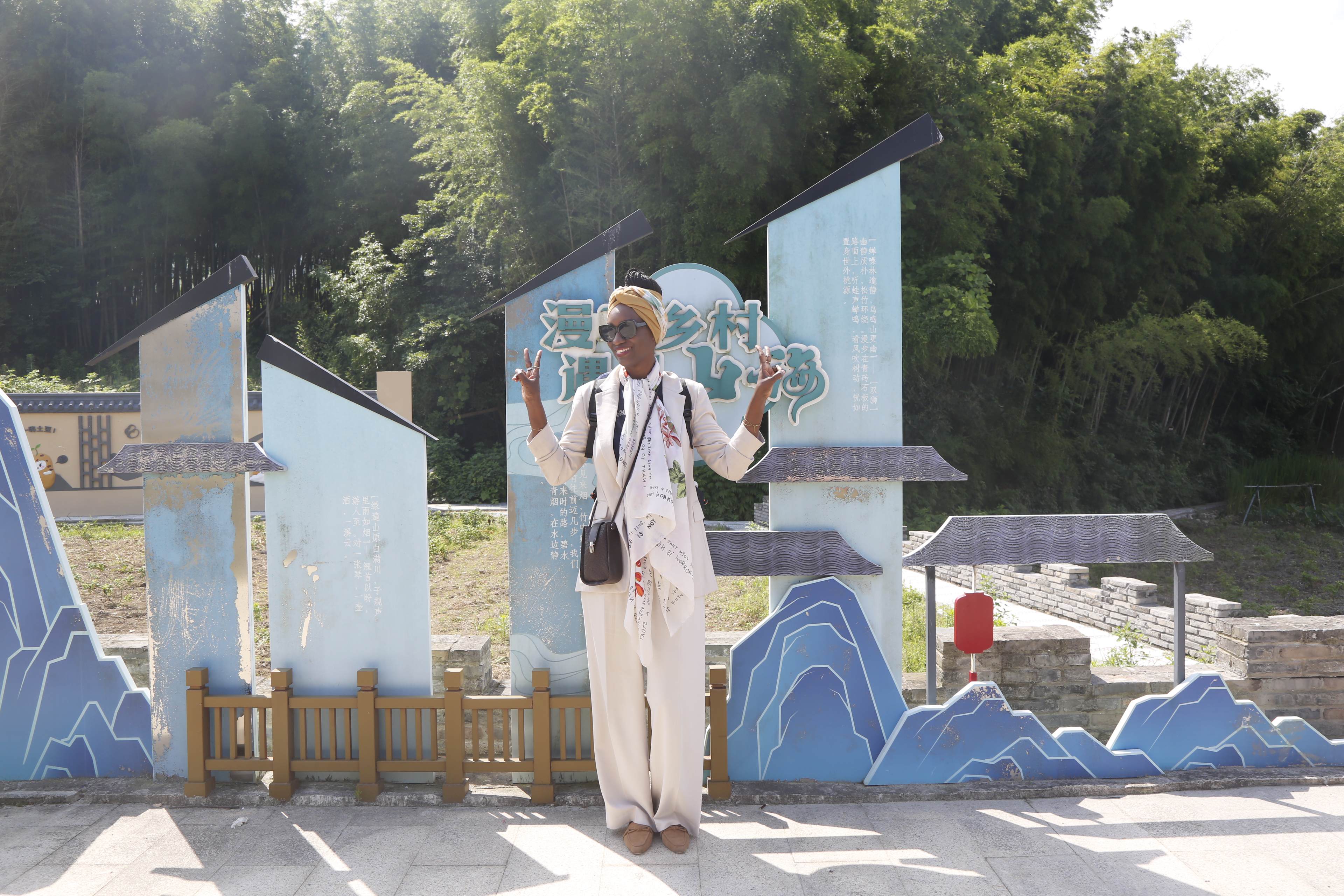
Arriving in China, I found myself observing this land with a curious and attentive gaze, eager to look beneath the surface and reflect deeply on what I would come to see. I came with a quiet curiosity about how a civilization so rooted in ancient wisdom could also stand at the forefront of innovation. Through this seminar on vocational education and employment, I hoped not simply to observe, but to let this land reveal itself to me in its own time, layer by layer, through both what I witnessed along the way.
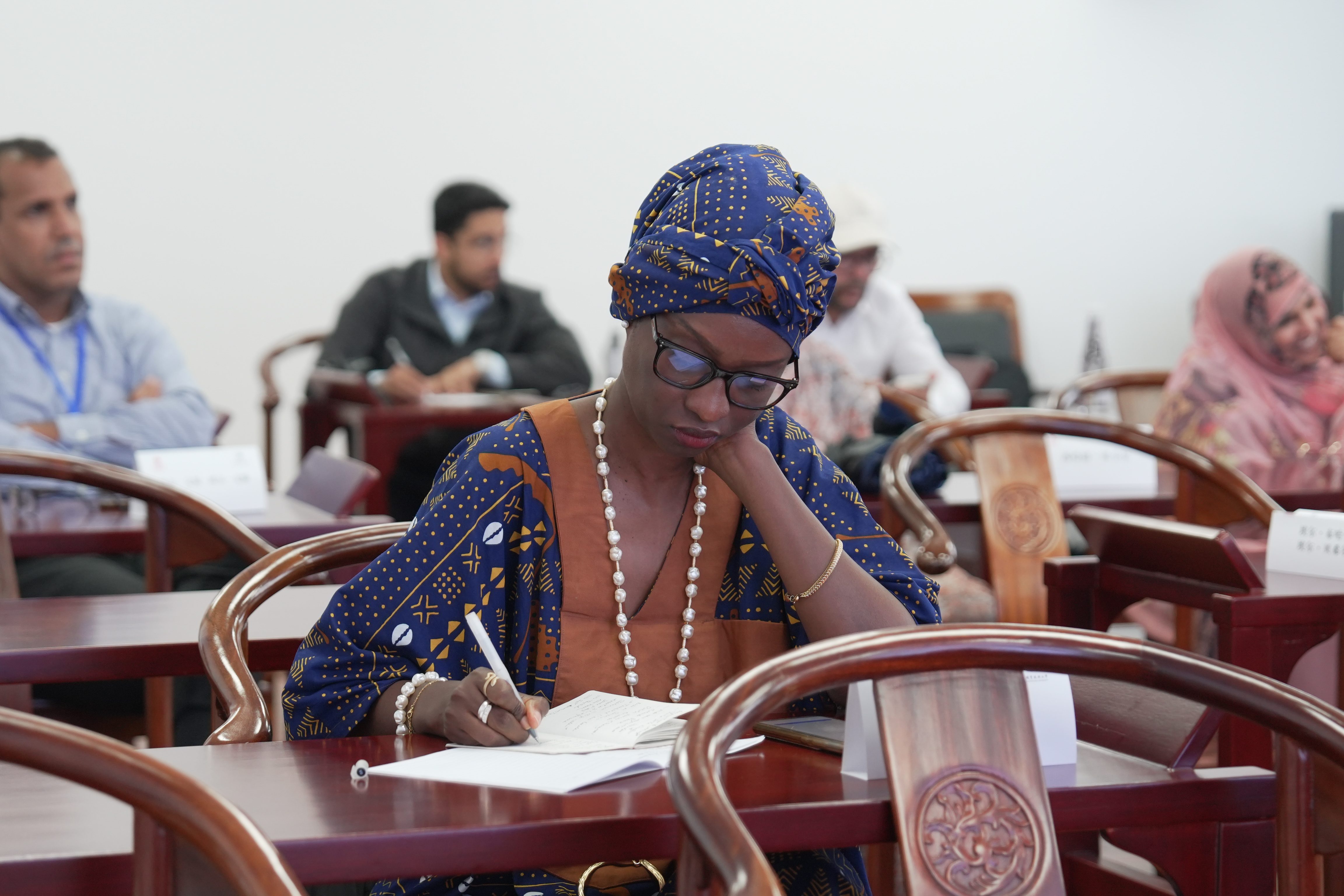
During this study programme, a new world opened before me: China’s approach to work, enterprise, innovation and economic development. I was able to observe how Chinese companies evolve, to see the importance accorded to research, technology and continuous training, and to gain a clearer appreciation of the cultural and philosophical foundations that continue to shape contemporary China.
What touched me most was China’s ability to bring tradition and modernity into harmony. It is now 2026, yet references to ancient thought are present everywhere. The teachings of Confucius, whom we first encountered in secondary school, still inform people’s conduct and society’s values. Before this visit, I had not fully understood the depth of his influence, nor imagined that a body of thought could remain so alive across the centuries.
I was also fascinated to learn about the ancient sages Lu Ban and Mozi, as well as the concept of the “Lu Ban Workshop”. I was deeply impressed by this commitment to passing on knowledge, valuing technical skills, and building on tradition while looking toward the future. As someone who loves history and culture, I deeply resonate with this philosophy. These concepts resonate with me all the more because, in Mauritania, I strive every day to blend tradition with modernity whether in lifestyle, architectural design, or traditional crafts.
Among the elements that left the deepest impression on me was the emphasis placed on ongoing training. I was deeply impressed by the importance placed on employees continuously upgrading their skills throughout their careers. Placing lifelong learning at the core is an investment for both individuals and businesses. When this philosophy is elevated to the national level, it becomes a powerful engine driving productivity and prosperity. I was equally impressed by the rise of numerous Chinese companies, some of which have now joined the ranks of the world’s leading international corporations. Their ability to adapt in a rapidly changing world is truly awe-inspiring, particularly through the use of artificial intelligence and new technologies.
This trip fundamentally changed my perspective on artificial intelligence. After arriving in China, using digital tools like Alipay on a daily basis has given me a firsthand understanding of how indispensable certain technologies have become in modern life. I gradually came to understand that artificial intelligence and digital innovation are not merely tools for enhancing convenience, but powerful levers for improving efficiency, saving time, and addressing the challenges of today’s world. This trip helped me embrace this transformation with greater openness and allowed me to see its benefits. Among my many unexpected discoveries, I must mention the electric vehicles that truly amazed me. Their design, technological sophistication and manufacturing craftsmanship all showcase China’s innovative strength.
I was also deeply impressed by the importance culture holds in Chinese society. Museums, handicrafts, calligraphy, traditional clothing, respect for elders, and the emphasis on the central role of the family all reflect a sincere desire to preserve and pass on the legacy left by our ancestors. In a world where so many traditions are fading away, this ability to safeguard cultural identity is, in my view, a true treasure.
Life on the campus of Ningbo Polytechnic University will also become a cherished memory for me. The environment there reminds me of my own student days. Although the climate is different, with rain replacing the snow of the past, the atmosphere of the campus brought me back to an important period in my life. On certain mornings, the music drifting through the campus brought an unexpected sense of warmth. I still remember the surprise that welled up in my heart when I heard Kool and the Gang’s “Celebration” coming from the window of a building. The odds of hearing that song in Ningbo must have been incredibly slim. Yet it was precisely this simple moment that brought me boundless joy, for it was a song my parents used to play often.
Finally, I cannot fail to mention the human connections I made during this journey. I was fortunate to meet the enthusiastic, kind, and ever-ready staff members of the organizing team, with whom I formed sincere friendships. Their professionalism and selfless dedication greatly facilitated my integration and helped me better understand the material being taught. This experience reminded me once again that friendship often transcends the barriers of language and culture. This, indeed, is the magic of this journey.
As the journey came to an end, I left with a more complete picture of China. Here, I discovered a country deeply attached to its traditions yet steadfastly moving towards the future. A country that values learning, innovation, labor, and the transmission of knowledge. A country that enriched my understanding, made me re-examine some of my existing judgments, and forged precious cultural bonds with me. As Confucius said, “Learning without thought is labor lost; thought without learning is perilous.” This journey gave me the opportunity to truly learn, reflect, and see this country in a whole new light. Its cultural and technological riches will continue to inspire me for a long time to come.